Content Repurposing Strategy: Plan One Conversation

Stop treating every social post as a miniature advertising campaign. Campaigns and ongoing content have different jobs. A campaign is usually built around a defined proposition, audience, timing and response. Ongoing content is where a business can explain its thinking, answer the questions people actually ask and make its expertise easier to find.
The more useful question is not, “What can we post on Thursday?” It is, “What useful material do we need to capture so Thursday is not another blank page?” A planned conversation can help, but only when it is designed as a content-capture system rather than an excuse to start a podcast.
Campaign work and ongoing content do different jobs
I am not interested in setting advertising and content against each other. Good campaign work can concentrate attention around a specific offer, launch or idea. It needs a sharp proposition, a clear audience and enough control to test whether the message is doing its job.
Ongoing content has a different rhythm. It gives a business more chances to unpack a point of view, explain a trade-off or answer the question that was too detailed for an ad. It can support a campaign, give people somewhere useful to go after seeing it, or simply keep the business present between bigger moments. LinkedIn's guidance for sponsored campaigns covers targeting, creative and testing, while it also advises marketers to revisit their existing blog, website and social channels rather than create something new every time. Read LinkedIn's guidance.
The difference between a podcast and a capture system
A show has to earn its own audience
A podcast is a product in its own right. If you are building one, it needs a premise, a format, a reason to return, a distribution plan and enough commitment to become recognisable over time. That can be a very good choice. It is just not the only reason to put two knowledgeable people in a room with microphones.
Starting a recurring show because “everyone has a podcast” is a weak brief. It asks the format to do the strategic work for you. A better starting point is to decide whether the business has a subject it can keep exploring for an audience that wants to follow along. If the answer is no, a podcast may not be the right product.
A capture session starts with the material you need
A content-capture conversation has a more practical brief. It might be a founder explaining the misconceptions that slow down a buying decision. It might be a technical lead walking through the trade-offs behind a common customer question. It might be two people disagreeing, usefully, about an assumption in their category.
The full recording may still be worth publishing as video or audio. Equally, it may be primarily working material. The value is in collecting clear explanations, examples and points of view that can be shaped into several appropriate formats. Calling that a podcast is optional. Planning it properly is not. If you have several conversations to capture, stacking studio hours back to back on a content day keeps the set and prompts consistent.
Plan the recording so the extracts can stand alone
Randomly cutting a long conversation into short clips is not a repurposing strategy. It is editing after the fact and hoping the useful moments are in there. The better approach is to make a few decisions before recording.
Four decisions to make before you hit record
First, define the audience question. Name the confusion, decision or objection the audience has, rather than assigning a vague topic such as “industry trends”. A useful question gives the speaker somewhere specific to go.
Second, decide the point of view. An answer becomes more memorable when it contains a real position, a trade-off or an example. “It depends” can be honest, but it still needs to tell people what it depends on.
Third, map the likely destinations. A short vertical video, a LinkedIn post, a sales FAQ and a full conversation do not need identical wording. Decide which outputs matter before the session, then ask questions that give each one a chance to exist.
Fourth, agree on review and boundaries. Decide who can approve extracts, which claims need checking, what cannot be shared, and how the original context will be retained. This is particularly important when a subject-matter expert is speaking about regulated, technical or sensitive work.
The independence test for a good clip or post
Before an extract goes out, test it as if the audience has never seen the full conversation. Does it make sense without the host's question? Does it contain one useful idea rather than a tease for a longer piece? Is the opening clear enough to earn attention? Does removing surrounding context make the speaker sound more certain, more provocative or less accurate than they were?
If the answer is no, keep it in the long-form edit or reshape it into a written explanation. Google's guidance is a useful standard here: content should be created primarily to help people, and readers should leave with enough information to achieve their goal. Read Google's people-first content guidance. A short clip does not need to answer everything. It does need to be honest and useful on its own terms.
Capture once, then distribute with judgement
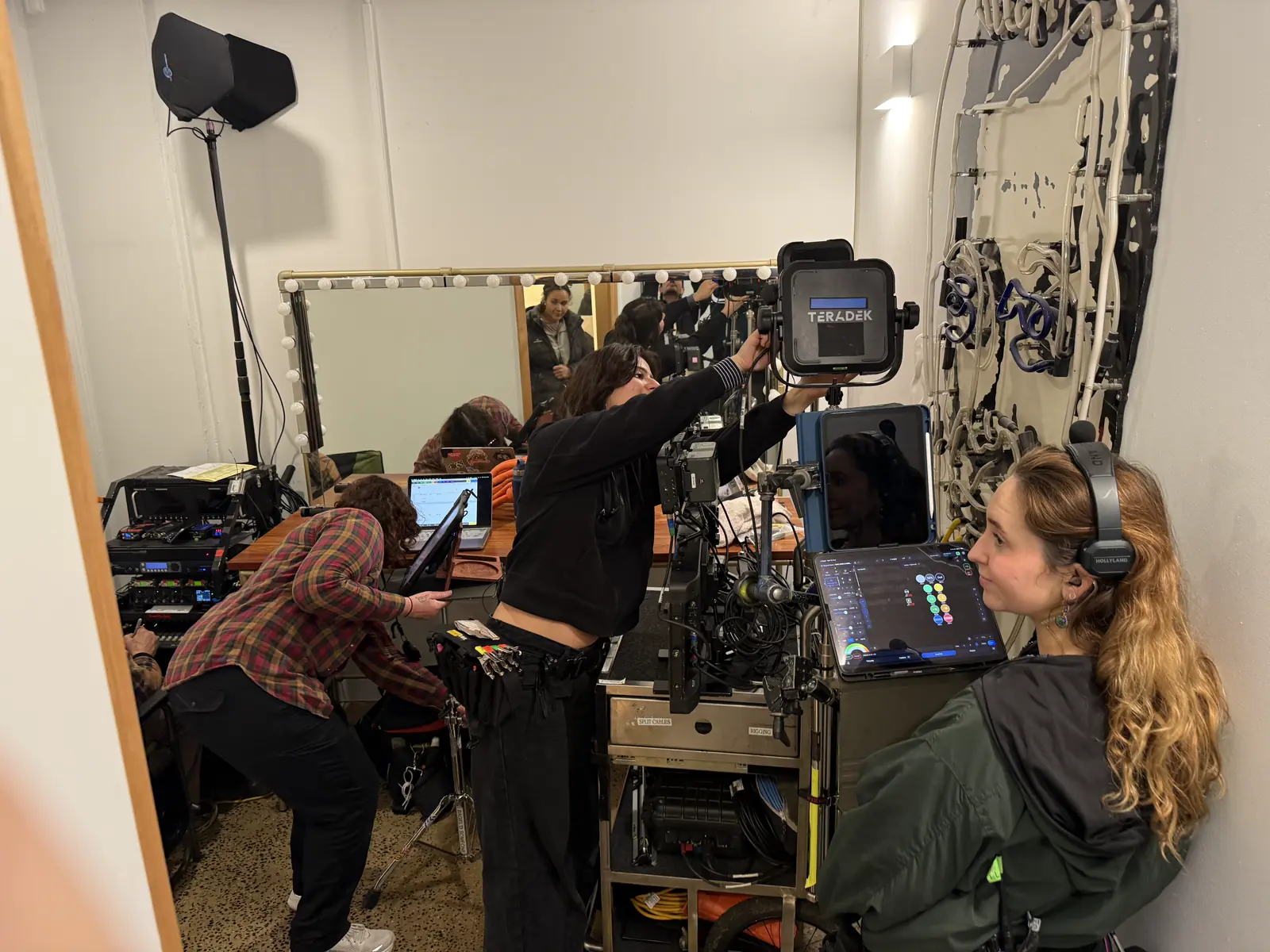
A good recording can give a team source material for a full video, audio, selected short videos, written posts, a website article, sales follow-ups, FAQs and future creative briefs. That is a possibility, not an automatic output list. The number and quality of the pieces will depend on the subject, the preparation, the conversation and the time available to edit and approve them.
The point is not to put the same thought everywhere. A LinkedIn post might turn one clear viewpoint into a short written argument. A vertical video might preserve the speaker's delivery. A website FAQ might strip the answer back to the decision a prospect needs to make. Each piece should suit its context while remaining faithful to the original idea.
For agencies, this can be an activation layer for work that already exists. The strategy, positioning and customer insight should influence the questions asked, the people selected and the claims that can be made. It should not be left in a deck while the social calendar starts from scratch again.
Start with ten customer questions
Try this before booking a shoot, choosing a host or commissioning another round of isolated posts. Write down ten questions customers regularly ask your business. Include the questions they ask before buying, the misconceptions that create friction, the trade-offs they do not understand and the questions your team answers in sales calls.
Then ask who inside the organisation can answer each one properly, what evidence or examples they can use, and which answers need review. If those conversations would be useful to a prospective customer, you may already have the foundation of a content series. The format might be a podcast. It might be a focused expert video series, an interview, a written guide or a mixture. The choice should follow the job.
The capture plan also needs the right subject-matter voice. If you want to plan the audience, messages, prompts and format before recording, Creative Creatures’ Brand & Content Strategy consultation is the appropriate first conversation. If you already have strong recordings and need selected moments shaped for different platforms, explore Reels & Short-Form Content.
Does a content-capture system have to be a podcast?
No. A podcast is one possible format. A content-capture system can be a filmed expert interview, a founder conversation, a technical Q&A, a customer education session or another format that lets a knowledgeable person explain useful ideas clearly. Use a podcast when a recurring show has a genuine purpose, not simply because recording equipment is present.
When should a team use a campaign instead?
Use campaign work when you need to concentrate attention around a defined proposition, launch, offer or audience action. Ongoing expert-led content can support that work by giving people deeper explanations and useful follow-up material. The two approaches can work together, but they should not be briefed, produced or measured as though they are identical.
Sources
Written by
Keir Telfer-Williams