Expert-Led Content: Make Your Team's Knowledge Useful
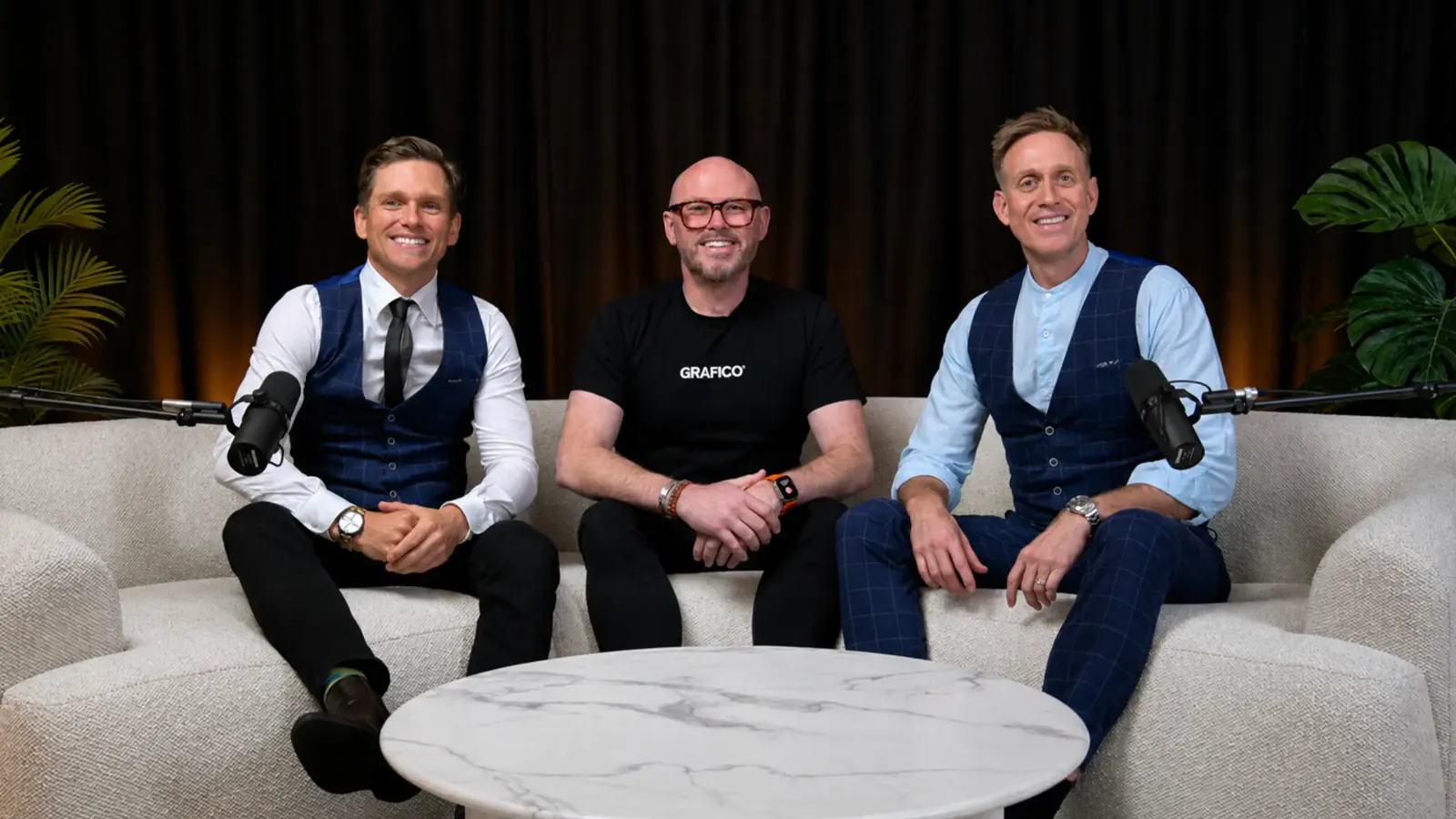
Your people may be an underused marketing channel, but that does not mean every executive needs to become an influencer. The useful move is simpler: find the person who can answer an important customer question clearly, give them a well-prepared way to do it, and choose a format that suits both the subject and the person.
I have worked across advertising, brand strategy and content production, and I keep coming back to the same frustration. A business can have a sharp point of view and people who understand the work in real detail, yet its public marketing reduces that knowledge to broad claims. “Experienced.” “Customer focused.” “Experts in our field.” None of those phrases shows a reader how the business thinks when the answer is not obvious.
The more useful question is not “Who can represent the brand online?” It is “Who inside the business can make a confusing, consequential or contested subject clearer for the people we want to help?” That person may be a founder. They may also be the accountant who sees the same misunderstanding every week, the project specialist who can explain a difficult trade-off, or the consultant who knows where a neat-looking plan tends to come unstuck.
Expertise is not an influencer programme
Personal branding has its place, particularly when a founder genuinely wants to be the public face of a business. But it is a poor default for every organisation. It can put too much pressure on one person, make the content dependent on their availability, and overlook the people who hold the most useful knowledge.
Expert-led content is a different proposition. It gives an identifiable person enough room to explain a subject they know well. The aim is not fame, a daily posting habit or a carefully performed personality. The aim is a useful explanation with a real point of view.
That distinction matters for professional-service businesses. A client choosing an adviser, practitioner or specialist often has questions that cannot be answered by a slogan. They may want to understand the criteria, risks, limits or options involved. A well-made explanation will not replace proper advice, but it can show that a business takes the question seriously enough to address it in public.
LinkedIn's published summary of its Edelman B2B research says 77% of surveyed decision-makers preferred subject-matter experts who went deep on specialised topics to senior executives speaking at a high level. That is a stated survey preference, not proof that an expert video will earn trust or win a sale. It is, however, a good reason to look beyond job title when choosing a voice for a subject. Read LinkedIn's research summary.
Choose the person closest to the useful answer
The best contributor is not automatically the most senior person or the person most comfortable on LinkedIn. I would start with four tests. Can they describe a recurring customer question in plain language? Can they explain the trade-offs rather than pretending there is one perfect answer? Do they notice a misconception that makes people choose badly or waste time? And are they willing to be accurately represented in public?
Look for recurring questions, trade-offs and correction
A useful subject is usually already present in the business. It may appear in sales calls, proposals, onboarding, workshops, project handovers or the questions that keep arriving by email. “What should we ask before choosing this?” is often more useful than “Why are we different?” because it gives the specialist something concrete to unpack.
The strongest material also has some tension. An architect might explain why a cheaper option costs more later. A recruitment adviser might distinguish a fast hiring process from a careless one. A software implementation lead might explain what a new platform cannot fix on its own. The point is not to manufacture controversy. It is to give an audience a more honest understanding of the decision in front of them.
Make the expert's job smaller, not louder
Many capable specialists hesitate because “make some content” is an unhelpfully large brief. It seems to ask them to invent a point of view, write a script, perform on camera, manage risk and become a regular publisher at once. No wonder they decline.
Give the person a narrower job. Agree on one audience, one question and one useful outcome. Send prompts in advance. Let a marketer or producer guide the conversation. Decide who checks technical accuracy, brand language and any sensitive claims before publication. A defined process respects the expert's time and gives marketing a clearer source to work from.
This is also where consent matters. Being knowledgeable at work is not the same as volunteering to become the face of a campaign. The person should understand where the material may appear, what will be edited, who approves it and whether they can opt out of future use. Good governance is not a drag on the process. It is what makes participation repeatable.
If the team needs help shaping the question, audience, prompts and format before filming, Creative Creatures'Brand & Content Strategy service is designed for that planning work. The format should be decided after the communication problem is clear, not before it.
Match the format to the explanation
A filmed conversation can work well when the value lies in nuance, a back-and-forth or a story that needs room to breathe. It is not the only sensible format. A calm direct-to-camera answer may suit a practical how-to. A written Q&A can work better for a technical subject that requires careful review. A webinar may be right when the audience needs to ask follow-up questions. And some expertise belongs in a proposal, a customer guide or a private briefing, not a social feed.
The key is to make the explanation stand on its own. If you choose a conversation, plan its questions so a useful answer can be understood without the rest of the recording. If a filmed format is appropriate, the business podcast production page explains the studio option without assuming that every project needs to become a traditional show.
Keep the company voice, and let the expert have one
Corporate messaging still matters. It establishes the promise, the category and the standards a business wants to be known for. But an expert should not be asked to read that messaging back word for word. Their value is in the evidence, examples and distinctions that make a broad promise more meaningful.
Marketers can protect the brand without flattening the person. Provide a topic boundary, a factual review and a clear approval route. Do not hand someone a list of generic claims and call it thought leadership. Google advises creators to focus on helpful, reliable content with original information, clear sourcing and visible expertise. That is sensible editorial discipline whether or not search is part of the brief. Read Google's people-first content guidance.
Two useful questions before you start
What if our best expert does not want to be on camera?
Do not force it. Try a written interview, an audio conversation, a hosted Q&A, a co-presenter or a small internal pilot first. The objective is to make knowledge more accessible, not to turn a reserved specialist into a personality act.
Does this replace the company brand?
No. The company brand gives the work a coherent frame. Expert-led material adds useful texture inside that frame. It shows how the organisation approaches questions that matter, while making it clear whose experience and responsibility sits behind the answer.
Start with the question your team can answer properly
Before planning another campaign, ask the people closest to customers which questions deserve a better public answer. Choose one that has real stakes, nominate the right voice, and make the process manageable. Your next useful piece of marketing may not need a new personality. It may need a better way to hear from the people already doing the work.
For Melbourne organisations that want to turn that question into a considered filmed conversation or expert Q&A, Creative Creatures' Content Lab in Yarraville can help shape the message before the cameras are booked. If the strategic point of view still needs work, begin by learning how to turn a clear strategic point of view into public explanations.
Sources
Written by
Keir Telfer-Williams