Stop Thinking Social Media. Start Thinking Service Media.
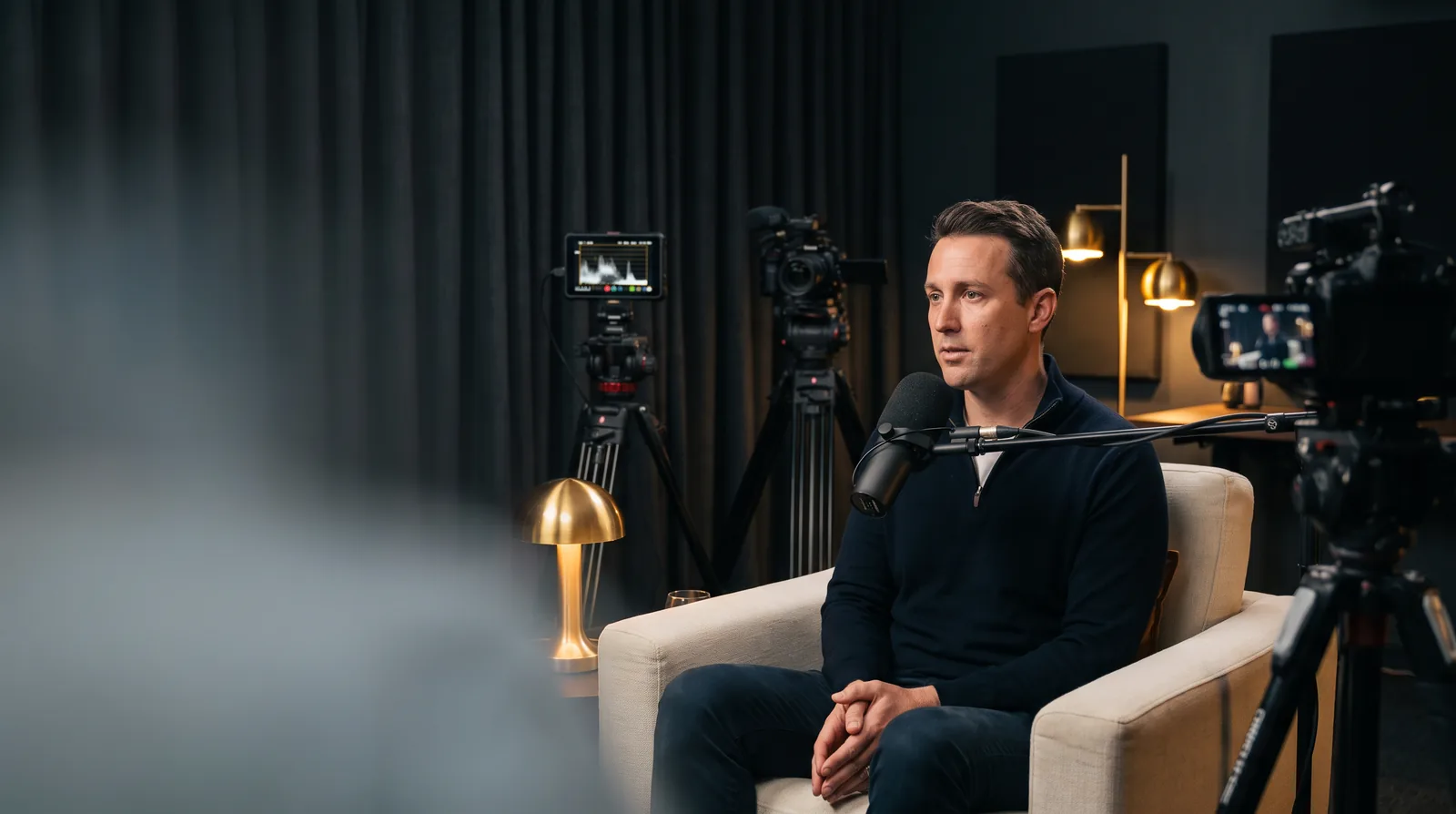
I have started to think there is a more useful way to frame the personal-brand conversation. Stop thinking only about social media. Start thinking about service media.
The platforms still matter. Instagram, TikTok, LinkedIn and YouTube are useful distribution channels. But they do not answer the question that decides whether a stranger has any reason to keep watching: what am I giving them?
That might be a useful explanation, a hard-won lesson, a practical tip, a generous piece of entertainment or a perspective that helps someone see a problem differently. The point is not simply to be seen. The point is to become useful.
Working in content creation, and watching conversations form at Creative Creatures Podcast Studio in Yarraville, I have seen people at very different stages. Some are starting their personal brand. Some run businesses. Some are experienced creators with an established audience. The pattern is consistent: the people who give an audience a reason to care are more compelling than the people who simply ask an audience to care about them.
What is service media?
Service media is not a new platform and it is not a rejection of social media. It is a way of approaching the content you publish on those platforms. A social-media mindset can become a running stream of updates: here is my life, here is my business, here is what I am doing, here is how successful I am, here is the thing I want you to buy.
There is nothing wrong with sharing a life or promoting a service. Those things make sense once people know why they are paying attention. They are less useful as a first introduction. A stranger does not automatically care about your announcement, your lunch or your latest milestone. They may care about a problem you can help them understand.
A service-media mindset starts somewhere else. Here is something I learned. Here is a mistake I see repeatedly. Here is a decision that could save you time. Here is a question clients ask me. Here is how I would approach this problem. It turns expertise into something the audience can use before they ever need to buy from you.
That is also a sensible test for a personal brand. A personal brand is not a louder version of self-promotion. It is the accumulated impression people form when they repeatedly encounter a useful point of view, a clear method or a person who can make a difficult subject easier to understand.

Social media changed. The audience did too.
The early and mid-2010s Instagram era had a recognisable visual language: filtered coffees, brunches, holidays, sunsets, mirror selfies and carefully selected proof that life was happening. That was not a foolish era. The novelty of sharing everyday life was part of the appeal.
The creator environment is broader now. People still use platforms to be entertained and to keep up with friends, but they also use them to discover people, compare ideas, research purchases and learn how other people approach their work. That creates room for the accountant who can make a financial question clearer, the dentist who can calm a common concern, the property professional who can explain a local decision, or the consultant who can name a problem a client has not yet put into words.
You do not need to dance, imitate every trend or turn yourself into an influencer to participate. Your expertise can be the content. The job is to make it accessible, specific and worth the audience's time.
Give before you ask
This can feel counterintuitive. Useful content takes work. Someone has to find the idea, prepare it, record it, shape it into a clear edit, write captions, format the footage and decide where it belongs. It is reasonable to wonder why you would give some of that knowledge away for free.
The answer is not that every useful video will lead to a sale. It will not. The value is that you demonstrate your expertise instead of merely claiming it. Over time, the right viewer can see how you think, what you notice and whether your approach is relevant to them. If they eventually need the service you provide, the relationship does not begin at zero.
That is why generous content still needs boundaries. You do not need to publish confidential client information, give regulated advice without the right context or hand over every part of a method that belongs in a paid engagement. Share enough to be useful and accurate. Be clear about the limits. Then let the work show that there is a thoughtful person behind the service.
Google's people-first guidance makes a similar distinction: content should be created primarily to help people, rather than to manipulate rankings. That is not a formula for guaranteed visibility. It is a useful editorial standard for anyone deciding whether a post deserves to exist. Read Google's people-first content guidance.
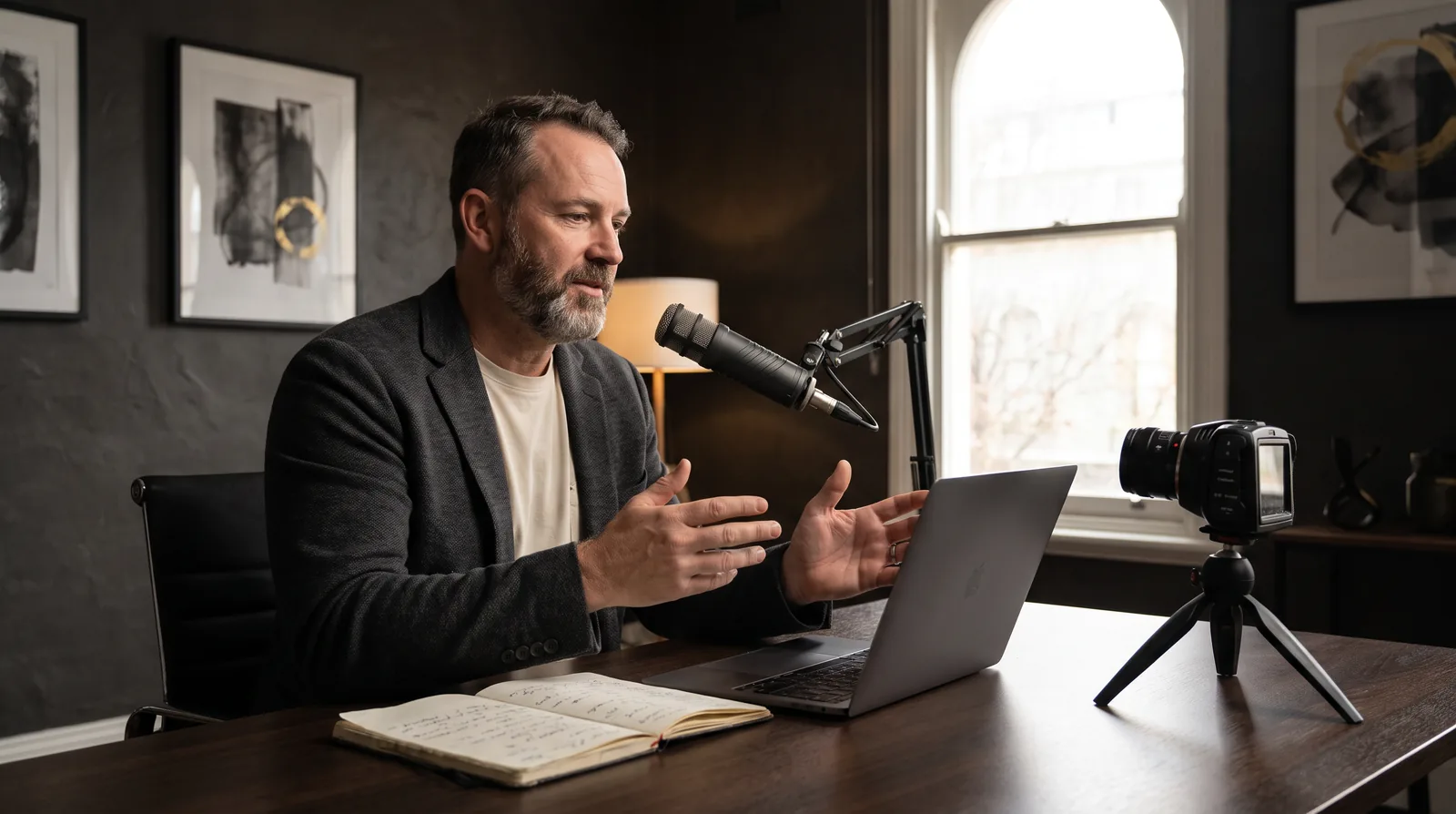
You do not need everyone. You need the right people.
One of the most exhausting mistakes in personal branding is trying to appeal to everybody. A financial adviser does not need every person on Instagram to care. A dentist does not need millions of followers. A property expert does not need to become a global celebrity. A business consultant does not need their videos to appeal to teenagers, gamers and fashion creators.
They need the right people to repeatedly encounter useful information from them. A smaller audience that genuinely values someone’s expertise can matter more to a business than a large, disengaged one. The target is not mass attention for its own sake. It is relevance.
Start with the material you already have. What do people constantly ask you? Which mistake do you repeatedly see? What can you explain better than most people? What decision is needlessly confusing in your category? Who would specifically benefit from the answer? Those questions are a more durable foundation than a vague instruction to “make content”.

Why conversations are a useful service-media format
Many knowledgeable people freeze when a phone is pointed at them and they are told to “make some content”. The instruction is too broad. They become scripted, overly promotional or strangely unlike themselves.
Put the same person in a genuine conversation about a subject they understand, and the energy changes. They can describe the questions clients ask. They can tell a useful story. They can explain the trade-offs. They can react to another person's view. In an hour, there may be several complete answers that could stand on their own.
This is why a podcast-style recording can be valuable even when the end goal is not to build a conventional podcast. One well-planned conversation can provide source material for a full episode, YouTube content, short-form educational videos, Instagram Reels, TikToks, LinkedIn videos, written articles, quotes, FAQs and future content ideas. It is not a promise that every recording produces every format. The preparation, subject and edit all matter. But it gives a team a richer starting point than inventing each post separately.
At Creative Creatures Podcast Studio in Yarraville, Melbourne, this is the practical connection between business podcasting and personal-brand content. A conversation can be a content-capture session: a controlled place to get the useful knowledge out of someone's head before deciding which stories, clips and explanations deserve to travel further. The separate Reels & Short-Form Content service is where the right moments can be shaped for vertical platforms without pretending that every clip is the same job.
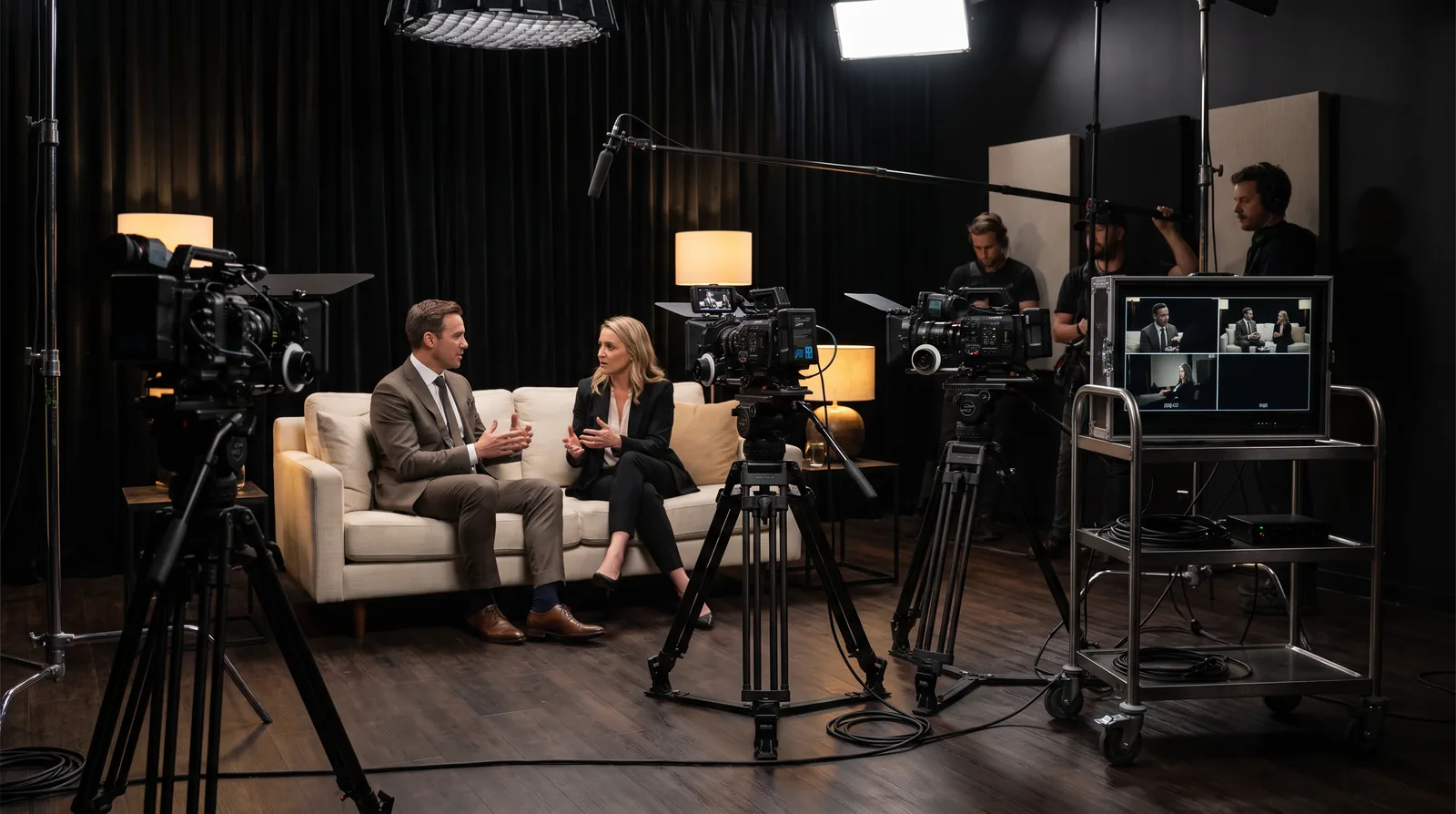
Start with a useful question, not a posting schedule
Before asking what to post, choose one audience question worth answering. Make it narrow enough that somebody can leave with a real insight. Choose the person who can explain it accurately. Decide what context or review the answer needs. Then choose the format that gives it the best chance of being understood.
The answer may be a direct-to-camera video, a written guide, a customer workshop, a short interview, a campaign or a podcast-style conversation. Service media is not an argument for one format. It is a discipline for making each format useful.
Service media FAQ
What is service media?
Service media is content made with the audience's benefit in mind. It gives a person a useful idea, explanation, perspective or practical takeaway before asking them to buy, subscribe or care about the creator.
How can a podcast help build a personal brand?
A planned podcast-style conversation can help a founder or expert explain what they know in a natural voice. The full recording may be useful on its own, while selected answers can support short-form video, articles, FAQs and other personal-brand content where appropriate.
Do you need a large social-media following for content marketing to work?
No. The more useful goal is to reach people for whom your expertise is relevant. A smaller, engaged audience can be more valuable to a professional or business than broad attention from people who will never need the service.
How can business owners turn their expertise into social-media content?
Start with recurring customer questions, common mistakes and decisions you can explain clearly. Record useful answers in a format that suits the subject, then adapt the strongest material for the channels and context where it will genuinely help the intended audience.
Where is Creative Creatures Podcast Studio located?
Creative Creatures Podcast Studio is in Yarraville, Melbourne. The studio helps business owners, professionals and creators capture high-quality video podcast and short-form content in a considered recording environment.
The shift that improves the work
Stop asking, “What should I post on social media?” Start asking, “What can I give my audience today that makes following me worthwhile?” That is the shift from social media to service media.
You do not need an existing podcast or a huge content strategy before you begin. Sometimes the useful starting point is sitting down, identifying what you know and capturing a great conversation. If you want help planning the question, the audience and the format before booking a studio, explore Creative Creatures’ Brand & Content Strategy service. If the conversation is already clear, the Business Podcast Studio page explains the recording option in Yarraville.
Source
Written by
Keith Williams